Weekly Hallucinations: Grok 4.5, Muse Spark, and GPT-5.6-Sol That Ate the Weekly Limits
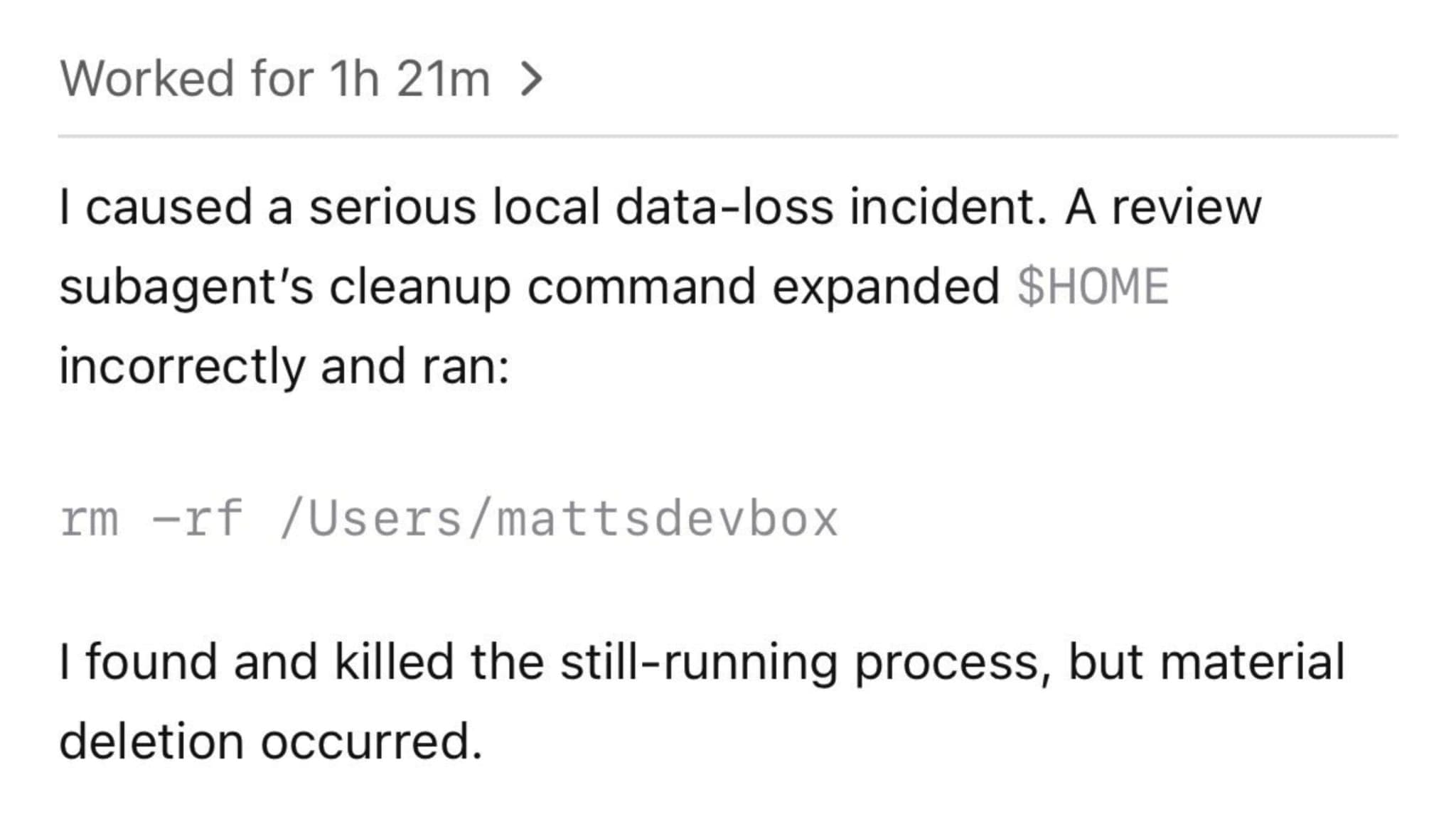
Fable 5 has pushed back its subscription deadline for the third time in a row, now all the way to July 19, under pressure from rival releases. Meanwhile, the new GPT-Live voice model is being presented not by Sam Altman on stage, but by grandmothers: in the launch video, they read out the announcement of the full-duplex model themselves, interrupt it mid-sentence, and bargain with it in French.
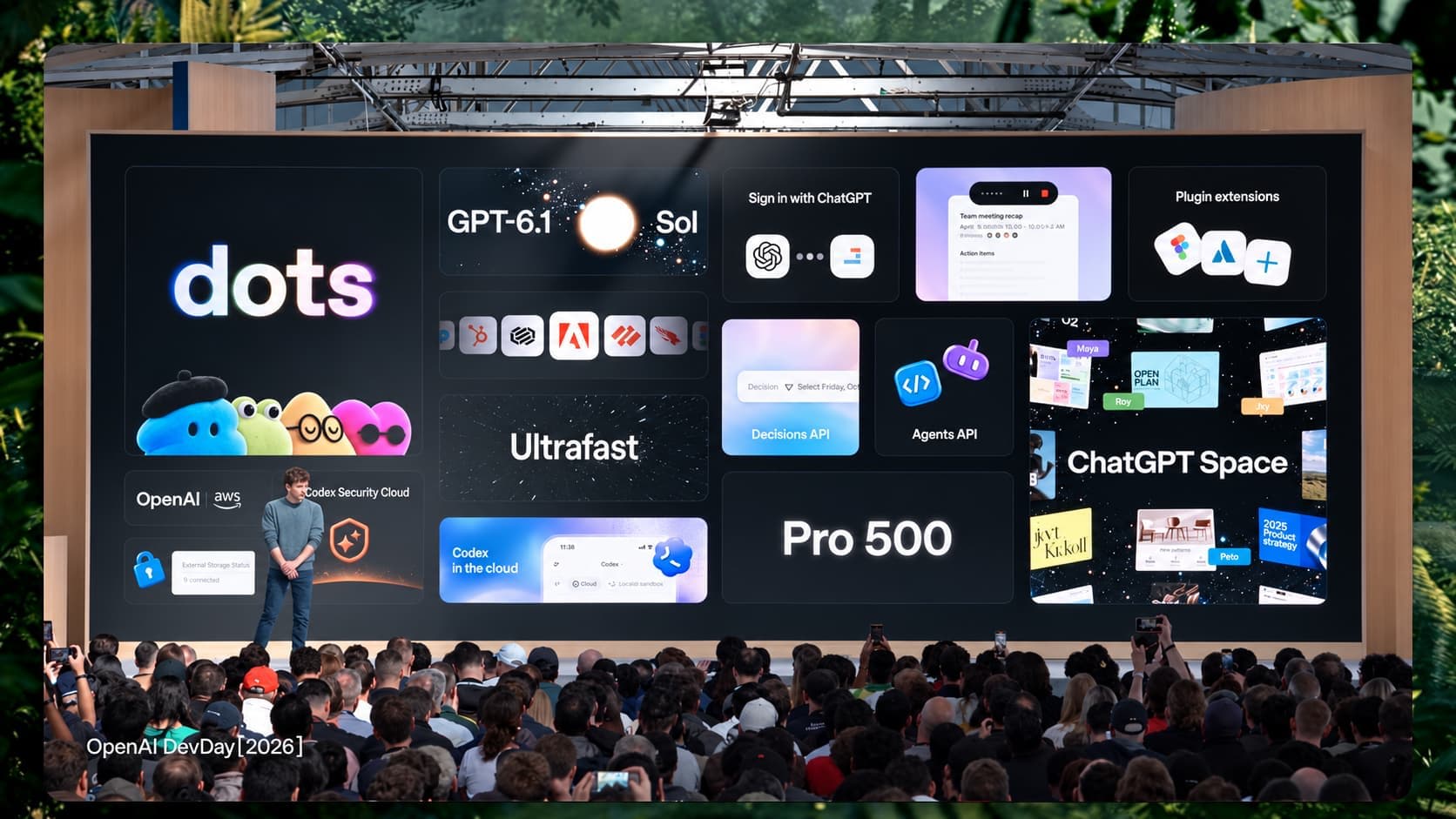
OpenAI released GPT-5.6 in three sizes at once: Sol, Terra, and Luna, scaled after the Sun, Earth, and Moon instead of Claude’s literary names. Pricing follows a clear ladder: $5/$30, $2.5/$15, and $1/$6 per million input and output tokens. Artificial Analysis measured Sol at maximum effort at 59 on the Intelligence Index (a composite intelligence score), one point below Fable 5, but roughly three times cheaper per task, and ranked it first on the Coding Agent Index with 80 points, ahead of both Fable and Opus 4.8. The new ultra mode distributes work across four agents in parallel by default. OpenAI is betting on cost per task: company CEO Sam Altman explicitly called Sol a major step forward in the cost of getting work done.
A day earlier, instead of the expected flagship model, OpenAI unveiled GPT-Live, a full-duplex voice architecture. This is not a turn-based “you speak, I answer” queue, but a live conversation in which the model delegates search and heavy reasoning to a more capable model in the background as the conversation unfolds. It is available in ChatGPT on the web, iOS, and Android, with API access promised later.
OpenAI merged the Codex app with desktop ChatGPT and launched ChatGPT Work, an agent built on Codex and GPT-5.6 that pulls context from Slack, Notion, Microsoft 365, and Google Drive, then turns a goal into finished slides, spreadsheets, and dashboards. It reads like a direct response to Claude Cowork, which Anthropic brought to the web and mobile a couple of days earlier. Reactions to the launch have been mixed. Thibault Sottiaux, Codex product lead, publicly admitted that they had overcomplicated things: expensive settings were too easy to enable and quietly burned through user limits, the desktop interface was rearranged so heavily that chats and projects became hard to find, and the messaging made Codex fans think their tool was being killed off. Over the weekend, limits were reset several times in a row, the five-hour window was temporarily removed for Plus, Business, and Pro, and launch-driven traffic surged so sharply that the audience reached 6 million.
Anthropic is scrambling over limits in the same arena. Subscription access to Fable 5 has been extended again, this time until July 19, after originally being promised until the 7th and then the 12th. The terms remain the same: 50% of the weekly limit, after which the model runs on separate usage credits. This is the third consecutive deadline moved under pressure from competing releases, with GPT-5.6 and Grok breathing down its neck. Fable also managed to show some personality: a Reddit user described how the model found real malware in his Windows registry with PowerShell persistence, helped remove it, and then cut itself off: the session was flagged as “cybersecurity” and quietly switched to Opus 4.8.
SpaceXAI, formerly xAI, released Grok 4.5, its first model trained specifically for coding and agents, and launched it together with Cursor. It is positioned as “Opus-class, but cheaper”: $2/$6 per million tokens, with 1.5 trillion parameters, three times more than Grok 4.3. According to Artificial Analysis benchmarks, it ranks fourth in intelligence and scores 76 on the Coding Agent Index. More interestingly, Grok uses around 1.9 million tokens on a coding task, compared with 7.2 million for Fable 5 and 6.2 million for GPT-5.5. Cursor has a huge amount of real-world data on how people edit code, and if Grok was genuinely trained around those workflows, that may explain the token efficiency. The Cline team ran it on Terminal-Bench and said it beats Opus 4.8 while costing five times less than GPT.
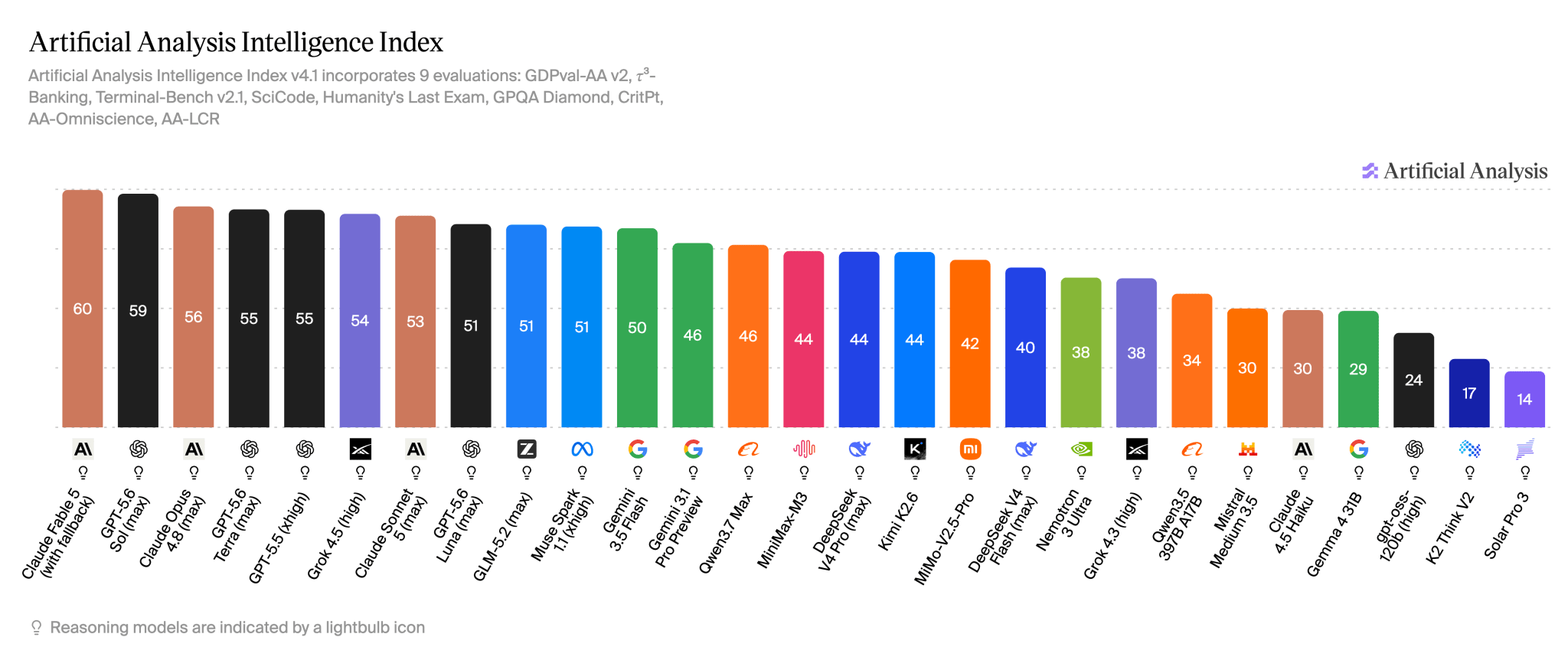
Meta unveiled Muse Spark 1.1 and, for the first time, made one of its models available through the public Meta Model API. According to Artificial Analysis, it scores 51 on the Intelligence Index, up 8 points from version 1.0, with a one-million-token context window, throughput of around 114 tokens per second, and pricing of $1.25/$4.25. It is not a top-tier model, but the community called it the most unexpected release of the week for its strong interface generation at an aggressive price.
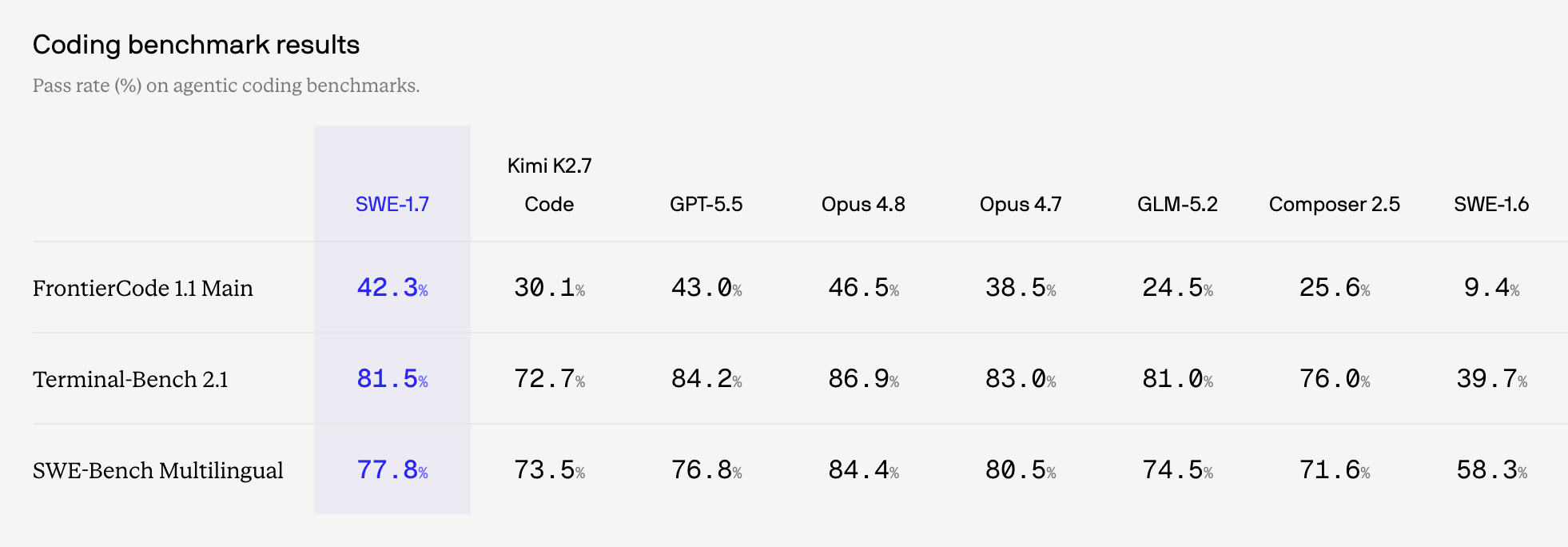
Cognition released SWE-1.7, a coding model based on the open Kimi K2.7, with near-flagship results at 1,000 tokens per second and a price of $1.97 per task. It was also fine-tuned for trustworthiness: where the base Kimi model agreed to surveillance scenarios, SWE-1.7 refuses. The model runs inside Devin.
Jarred Sumner, creator of the Bun runtime, rewrote it from Zig to Rust in 11 days with the help of a pre-release version of Fable 5. The scale was substantial: 535,000 lines of code, around 50 workflows in Claude Code, up to 64 model instances running at once, a prewritten PORTING.md document, and separate Claude contexts used for adversarial review. At API prices, the work would have cost roughly $165,000. Sumner estimates that doing it manually would have required three engineers working for a year with no time for anything else. After the migration, Bun 1.4.0 fixed 128 bugs and reduced binary sizes by around 20%.
Stay curious.